What Kind Of Medical Transports Are There?
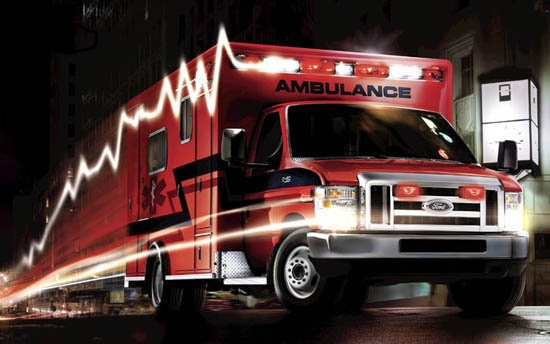
Medical transports are available in different forms, and each vehicle is able to take someone to a medical facility, whether the person is having an emergency or not. Emergency medical transport vehicles can be an ambulance, a helicopter, or any other designated vehicle that can handle emergency situations. The most popular form of emergency vehicles, are ambulances, as they can be seen on a daily basis on the roads, and they may be carrying a patient. Anytime an ambulance is seen, and it has its sirens blaring, it’s likely that there is a patient inside.
Ambulances will put on their sirens, if they need to get through traffic faster, and they want to alert others to get out of their way. If a person does not move out of the way, in order to allow an ambulance to pass through, they can be ticketed for it. It’s a matter of life and death, if an ambulance needs to get through traffic, so it’s best not to hinder their progress, by sitting in their pathway. Sometimes, an ambulance may need to take the freeway, in order to get to the hospital faster.
Taking the freeway can be very problematic for an ambulance, especially if it’s rush hour. Most freeways will have an emergency lane, where the ambulance can drive, in order to bypass the traffic. Although an ambulance can possibly use a breakdown lane, in order to get to its destination faster, there’s no guarantee that this can work. An ambulance is able to care for a patient, who may be dying, while they are in the ambulance. Since an ambulance must get to its destination as quickly as possible, then everyone needs to get out of its way.
Because an ambulance can have such a difficult time getting to the hospital on time, sometimes there is a need for a faster form of transportation. The fastest way to travel anywhere, is by air. A helicopter can transport someone who is in need of immediate medical attention, to the hospital. The hospital can receive the patient, as soon as the helicopter lands. A helicopter doesn’t have to sit in traffic, wait for stoplights, or hope that people will move out of the way, because it’s in the air. Being in the air, gives a helicopter a better advantage.
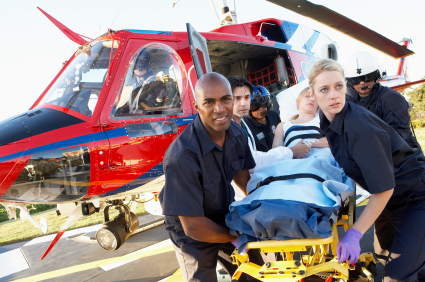
If a person needs medical attention right away, then a helicopter may be selected, especially if they have a very short period of time, before surgery must be performed, in order to save their life. Not only are helicopters used for medical transports, but there are companies that will use jets to transport a patient as well. More than likely, the patient is not in need of emergency surgery, so they can be treated on the jet, but they are in a more relaxed state. The jet will be used, in order to transport someone to a far away location, as quickly as possible.
Patients may needed to be taken state to state. If the destination is over 200 miles, ACC Medlink has Non Emergency Medical Transportation available anywhere at anytime.
If an individual is in need of a medical transport, there are a few different ones to choose. Some medical transports are for emergency situations, while others may help transport you to medical appointments and even grocery shopping. You would not use an emergency ambulance for a routine medical appointment. Each transport has a job description.
Some medical transports are appointed for non-emergency, emergency, a simple ambulance service, long distance patient transport, medically handicapped transport, and air transport.